
 &
& 


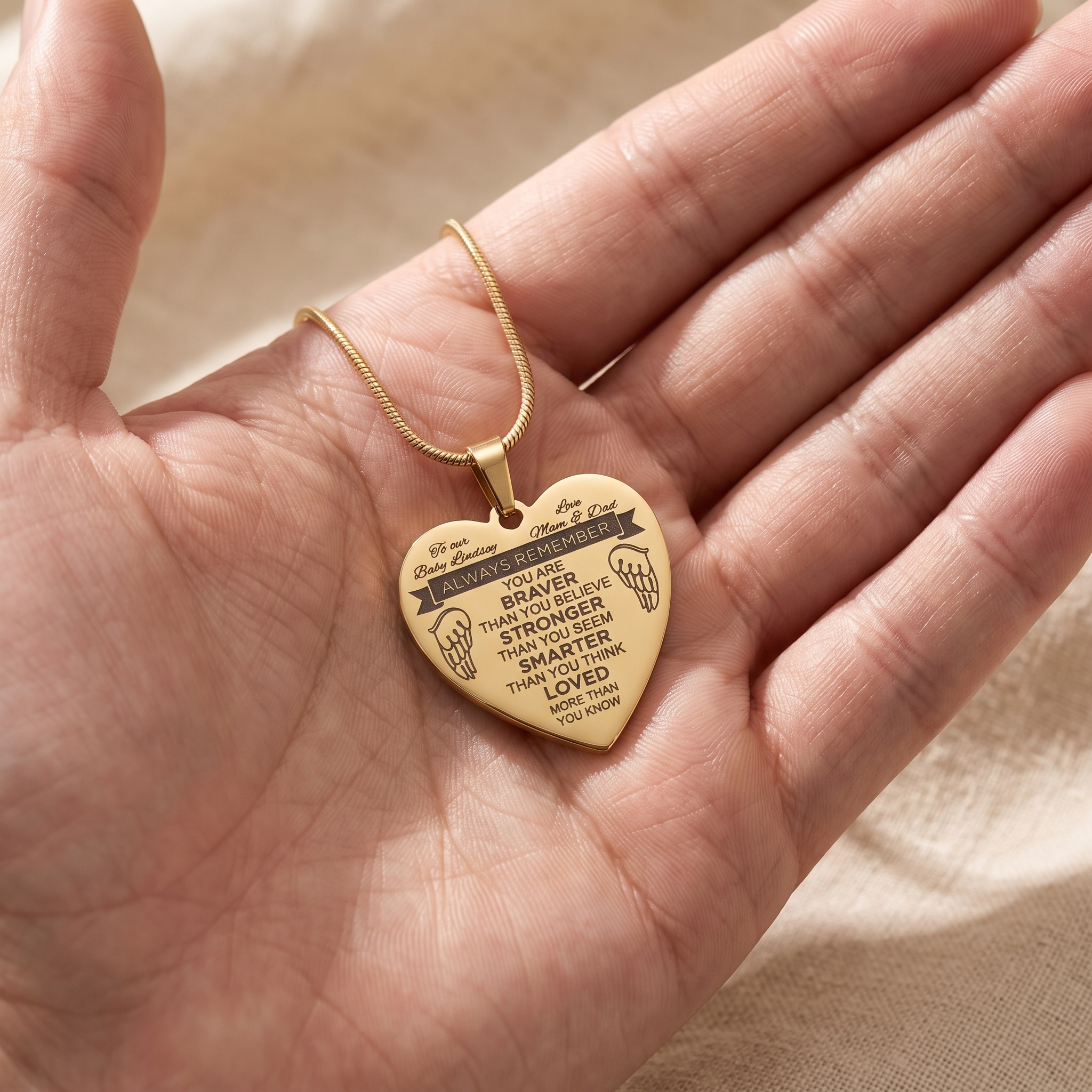
Personalised jewellery helps with grief by giving loss something physical to live in. A name, a date, a line of handwriting or a small amount of ashes, worn close and carried through an ordinary Tuesday. It does not shorten grief and it is not meant to. What it does is give the feeling somewhere to go, and give your hands something to reach for when the missing arrives without warning.
Grief counsellors describe this as a continuing bond: the relationship does not end, it changes shape. A keepsake you can touch is one of the plainest ways to hold that bond in the world rather than only in your head. It is also why the memorial jewellery category has grown so quickly, passing roughly half a billion dollars globally and still climbing at more than 12% a year.
Why does wearing something personal help when you are grieving?
Because grief is physical before it is anything else, and a keepsake answers it physically. Five things happen when someone wears a piece made for the person they lost:
- It anchors you. On the days you feel unmoored, the weight of a pendant at your collarbone is a small fixed point you can put a hand on.
- It carries the name. People worry their loved one will stop being spoken about. Engraving the name means it is still being carried, every day, whether or not anyone says it out loud.
- It invites the conversation, gently. A stranger asks about the necklace and suddenly you are allowed to tell a story. Many grieving people say this is the part they did not expect to need.
- It marks the dates nobody else remembers. Birthdays, anniversaries and the date itself land heavily. A piece engraved with that date turns a dreaded day into one you have already prepared for.
- It moves with you. Photographs stay on a shelf. A keepsake goes to work, to the school pickup, to the appointment you were dreading.
What kinds of memorial jewellery are there?
Four broad types, and the right one depends on what you want to keep close.
- Ashes and cremation jewellery. A sealed compartment holds a small portion of ashes. A memory cremation necklace is the most worn version of this, and a mini personalised keepsake urn suits families who want to divide a portion between several people.
- Engraved name and date pieces. The simplest and often the most worn. A name, two dates, or a few words in your own phrasing.
- Handwriting and drawing keepsakes. Their actual handwriting from a card or a note, or a child's drawing, reproduced on the piece. A kids drawing necklace does this with a scan of the original.
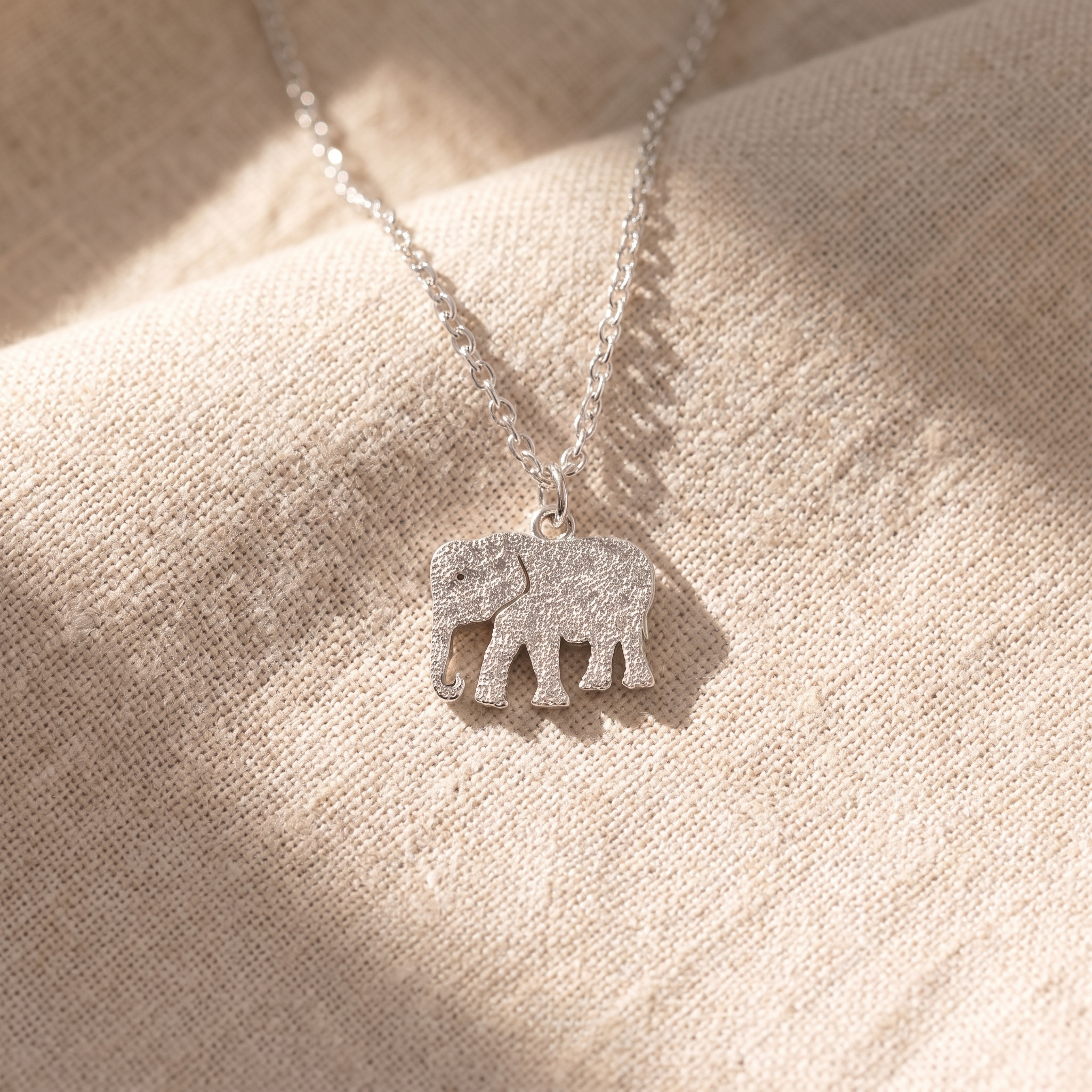
- Symbolic pieces. A heart, a tree, an angel wing, a birthstone in their colour. A Forever In My Heart necklace carries the meaning without announcing the loss to everyone who looks at it.
When is the right time to give memorial jewellery to someone?
Later than most people think. In the first fortnight the house is full of flowers and casseroles and the person is barely present. The harder stretch is six weeks to six months in, when the visitors have stopped and everyone else has gone back to normal. A keepsake that arrives then says the quietest and most useful thing: I have not forgotten either.
The other natural moments are the first birthday without them, the first anniversary of the death, and the first Christmas. If you are giving ashes jewellery specifically, ask first. Some families are ready to divide ashes and some are not, and the question matters more than the surprise.
What should you engrave on a memorial piece?
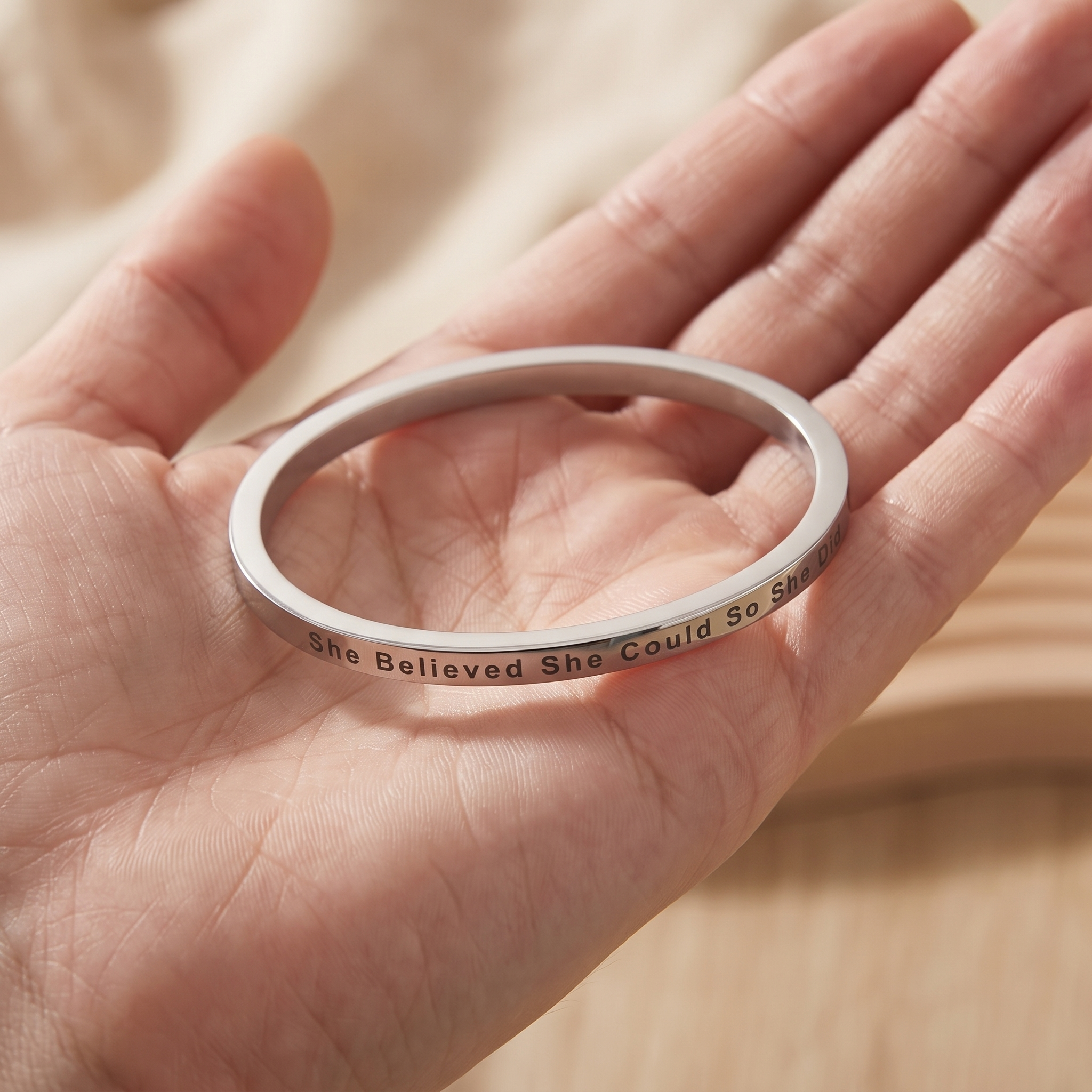
The instinct is to write something profound. In practice, the engravings people are still glad about years later are the small ordinary ones:
- Their first name on its own, or the name only you called them
- A single date, or two dates separated by a dash
- The last thing they used to say when they hung up the phone
- A word in their handwriting, taken from a birthday card
- Their birth month stone, with no words at all
If you are choosing for someone else, pick the shorter option. A name is never regretted. A quote sometimes is.
Frequently asked questions
Can you wear memorial jewellery every day?
Yes, and most people do, which is the point of it. Belle Fever's pieces are made in Monel Silver, Moneil Gold and Moneil Rose Gold, which are hypoallergenic and non-tarnishing, so a keepsake worn daily does not dull or irritate sensitive skin and does not need to come off for the shower.
How much ash goes into cremation jewellery?
Only a small portion, a pinch rather than a scoop, sealed into the compartment. The remainder stays with the family, so choosing an ashes piece does not mean choosing between a keepsake and a resting place.
Is it strange to still wear it years later?
No. Many people wear theirs for decades, and it changes meaning over time, from something that hurts to look at, to something that simply belongs on them. There is no point at which you are supposed to take it off.
What if I am grieving a pet, or a pregnancy?
The same pieces apply. Grief does not rank losses, and a name on a pendant works the same way whoever the name belongs to.
Note: If you or someone you know is struggling with grief, please consider seeking professional support from a grief counsellor or therapist.
